This guide is for lawns in coastal Georgia, Florida, Alabama, Mississippi and Louisiana. Our mild winters and early springs give winter annual weeds time to get established before warm-season turf greens up.
Why winter weeds are a problem
Bermudagrass, Zoysiagrass, St. Augustinegrass and Centipedegrass go dormant in the cool months, and that leaves thin spots in the lawn. Winter annual weeds take advantage. They germinate in the fall, grow through our mild winters, set seed in the spring and then die off in the summer heat.
The most common winter and spring weeds
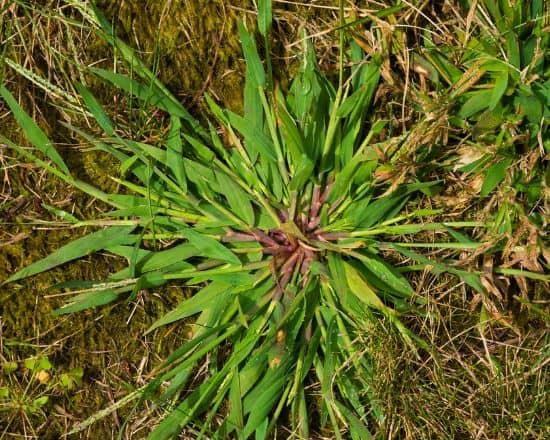
- Poa annua (annual bluegrass): light-green clumps with seed heads. It thrives in cool, moist coastal conditions.
- Common chickweed: a low-growing broadleaf weed that forms mats in shady or thin areas.
- Henbit: a member of the mint family with purple flowers and square stems. It fills in bare spots and tolerates mowing.
How to manage them
- Keep your turf healthy. Mow warm-season grasses high, fertilize properly, water deeply and infrequently, and aerate compacted soil.
- Apply a pre-emergent in late summer or early fall, before winter weeds germinate. Prodiamine or dithiopyr will handle Poa annua and broadleaf weeds.
- Use a turf-safe selective post-emergent on weeds that are already up: atrazine for St. Augustine and Centipede, and 2,4-D blends for broadleaf weeds.
- Get the timing right. Treat before the weeds set seed in spring. More than one application may be needed.
- Hand-pull or spot-treat small infestations, especially in new sod.
- Combine methods. An integrated approach that uses cultural, mechanical and chemical control gives the best long-term results.
You can find pre-emergents and selective weed killers in our fertilizer and lawn care products.
Get help with your lawn
Contact Woerner Turf for help choosing the right sod and planning your weed management. Reach our team here.